This curated selection of science fiction films delves into the theme of atheism, exploring the absence of belief in deities and the philosophical implications thereof. These films challenge viewers to question the nature of existence, morality, and the universe itself, often presenting a world where traditional religious beliefs are absent or questioned. This collection is particularly valuable for those interested in speculative fiction that tackles profound existential questions, offering a unique perspective on human spirituality and the search for meaning in a potentially godless cosmos.
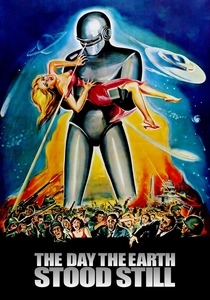
The Day the Earth Stood Still (1951)
Description: This classic sci-fi film presents an alien visitor who warns humanity about the dangers of nuclear war, implicitly questioning the role of religion in human conflict and survival.
Fact: The film was remade in 2008 with Keanu Reeves, but the original is often considered superior in its philosophical depth.
 Watch Now
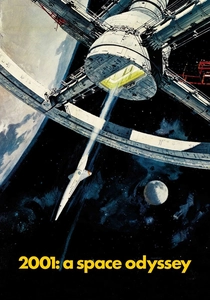
2001: A Space Odyssey (1968)
Description: Stanley Kubrick's masterpiece subtly questions the role of religion in human evolution and the search for meaning in the universe, presenting a narrative where human evolution is influenced by an alien intelligence rather than a divine entity.
Fact: The film was developed in collaboration with Arthur C. Clarke, who later wrote a novel based on the film's script.
Watch Now
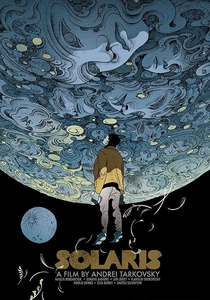
Solaris (1972)
Description: Andrei Tarkovsky's adaptation of Stanislaw Lem's novel deals with human psychology, memory, and the search for meaning in a universe where traditional religious concepts are absent.
Fact: The film was remade by Steven Soderbergh in 2002, but Tarkovsky's version is renowned for its philosophical depth.
Watch Now
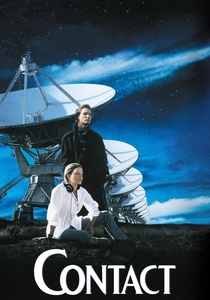
Contact (1997)
Description: This film explores the conflict between science and religion, with the protagonist, an atheist scientist, encountering evidence of extraterrestrial life, which challenges her beliefs and those of religious figures.
Fact: The film is based on the novel by Carl Sagan, who was himself an agnostic.
Watch Now
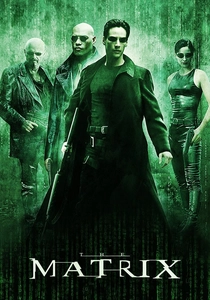
The Matrix (1999)
Description: While not explicitly about atheism, the film's exploration of simulated reality and the nature of belief in a higher power can be interpreted as a metaphor for atheistic views. The Matrix challenges the concept of a divine creator by presenting a world controlled by machines.
Fact: The film's concept was inspired by the works of philosophers like Jean Baudrillard and Plato's Allegory of the Cave.
Watch Now
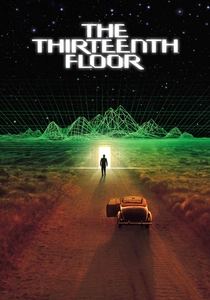
The Thirteenth Floor (1999)
Description: This film explores the concept of simulated realities, questioning the nature of existence and the role of a creator, which can be seen as an atheistic exploration of reality and consciousness.
Fact: The film was released the same year as The Matrix, leading to comparisons between the two.
Watch Now
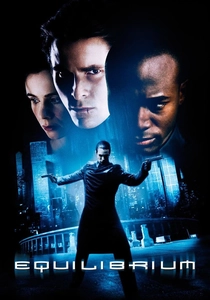
Equilibrium (2002)
Description: In a dystopian future where emotions are outlawed to prevent war, the film explores themes of control, belief, and the human spirit, with the absence of traditional religious structures.
Fact: The film's aesthetic was heavily influenced by fascist architecture and the concept of totalitarian control.
Watch Now
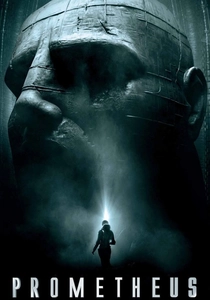
Prometheus (2012)
Description: This prequel to the Alien series delves into the origins of humanity, exploring themes of creation, belief, and the search for our creators, which can be seen as an atheistic exploration of human origins without divine intervention.
Fact: The film's title refers to the Titan who defied the gods by giving fire to humanity, symbolizing enlightenment and rebellion against divine authority.
Watch Now
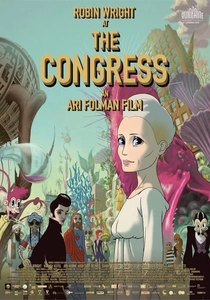
The Congress (2013)
Description: Based on Stanislaw Lem's novel, this film delves into the future of cinema and human identity, where the protagonist's digital avatar challenges the notion of a creator or higher power in a world of virtual realities.
Fact: The film blends animation with live-action, creating a unique visual experience that reflects its thematic content.
Watch Now
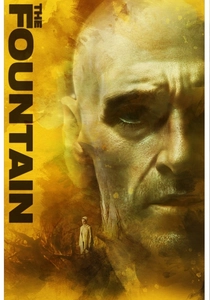
The Fountain (2006)
Description: Darren Aronofsky's film intertwines three stories across different time periods, exploring themes of life, death, and the search for immortality, often without reliance on traditional religious frameworks.
Fact: The film was initially conceived as a much larger project, with elements of the story being cut down for the final release.
30 Days Free