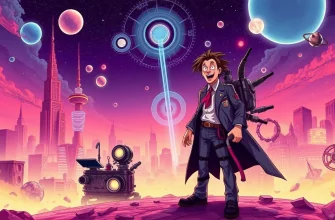

This collection of sci-fi films offers a unique perspective on Alzheimer's disease, blending speculative science with the emotional and ethical challenges posed by this condition. These films not only entertain but also provoke thought about memory, identity, and the future of medical science, making them valuable for both cinephiles and those interested in the human condition.
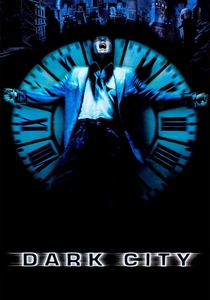
Dark City (1998)
Description: This film explores identity and memory manipulation by an alien race, offering a sci-fi take on the loss of self experienced in Alzheimer's.
Fact: The film was heavily influenced by German Expressionism and film noir.
 Watch Now
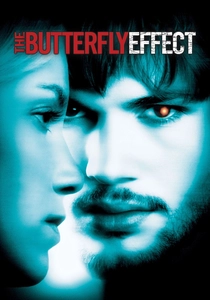
The Butterfly Effect (2004)
Description: This film deals with time travel and changing past events, which can be seen as an attempt to alter one's memory, much like Alzheimer's patients might wish to do.
Fact: The film had several alternate endings, with the theatrical release being the most popular.
Watch Now
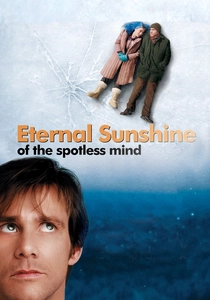
The Eternal Sunshine of the Spotless Mind (2004)
Description: Although not explicitly about Alzheimer's, this film explores memory erasure, a concept that resonates with the loss of memory in Alzheimer's. It's a poignant look at what we choose to remember and forget.
Fact: The film was inspired by a short story by Charlie Kaufman, and its title comes from a poem by Alexander Pope.
Watch Now

The Giver (2014)
Description: In a society where memories are controlled, this film explores the importance of memory and the consequences of its absence, mirroring the effects of Alzheimer's.
Fact: The film is based on Lois Lowry's 1993 novel of the same name.
Watch Now
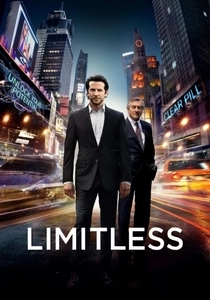
Limitless (2011)
Description: The film explores cognitive enhancement, but also the fear of losing one's memory and identity, themes that resonate with Alzheimer's.
Fact: The film's title was changed from "The Dark Fields" to "Limitless" to avoid confusion with the Twilight series.
Watch Now
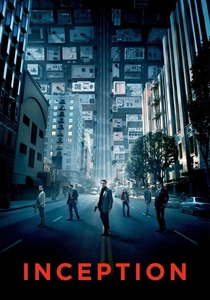
Inception (2010)
Description: While not directly about Alzheimer's, the film's exploration of dreams, memory, and the subconscious provides a metaphor for the fragmented memories of Alzheimer's patients.
Fact: The spinning top used by Cobb was not originally in the script but was added by Christopher Nolan.
Watch Now
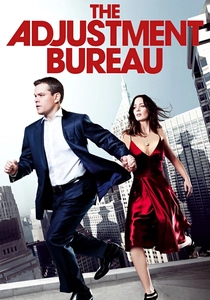
The Adjustment Bureau (2011)
Description: This film involves fate and free will, with themes of memory manipulation that echo the struggles of Alzheimer's patients to retain their sense of self.
Fact: The film is loosely based on Philip K. Dick's short story "Adjustment Team."
Watch Now
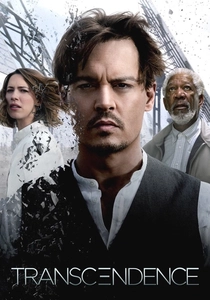
Transcendence (2014)
Description: While focusing on AI, the film touches on themes of consciousness and memory, paralleling the loss experienced in Alzheimer's through the lens of technological singularity.
Fact: Johnny Depp's character, Will Caster, is named after the physicist John Wheeler's concept of "it from bit."
Watch Now
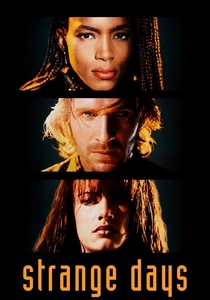
Strange Days (1995)
Description: Set in a near-future where memories can be recorded and sold, this film touches on themes of memory loss and identity, akin to the experiences of Alzheimer's patients.
Fact: The film was Kathryn Bigelow's first major directorial effort after her split from James Cameron, who co-wrote the screenplay.
30 Days Free
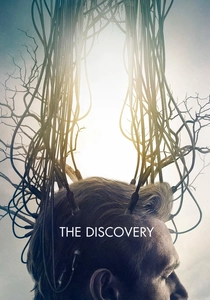
The Discovery (2017)
Description: This film deals with the aftermath of a scientific discovery proving the existence of an afterlife, which has implications for how people view life, death, and memory loss akin to Alzheimer's.
Fact: The film was released directly on Netflix, bypassing traditional cinema distribution.
30 Days Free