

The Meiji Restoration, a period of profound transformation in Japan from 1868 to 1912, has inspired numerous films that delve into the political, social, and cultural upheavals of the time. This curated list of ten films provides a window into this fascinating era, showcasing the struggles, triumphs, and the clash between tradition and modernity. Whether you're a history buff or simply love a good story, these films offer a rich tapestry of narratives that illuminate one of Japan's most pivotal moments.
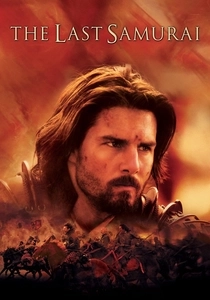
The Last Samurai (2003)
Description: This epic film captures the essence of the Meiji Restoration through the eyes of an American captain who becomes embroiled in the samurai's resistance against Westernization.
Fact: Tom Cruise underwent extensive training in samurai swordsmanship for his role. The film was shot on location in Japan, enhancing its authenticity.
 Watch Now
When the Last Sword Is Drawn (2003)
Description: This film explores the lives of the Shinsengumi, a group of samurai who were both protectors and enforcers during the turbulent times of the Meiji Restoration.
Fact: The film features a unique narrative structure, telling the story through flashbacks and multiple perspectives.
Watch Now
The Twilight Samurai (2002)
Description: Set in the late Edo period, this film portrays the life of a low-ranking samurai who must navigate the changing times of the Meiji Restoration while caring for his family.
Fact: It won the Japanese Academy Award for Best Picture and was critically acclaimed for its realistic depiction of samurai life.
Watch Now
The Hidden Blade (2004)
Description: This film follows a samurai who must adapt to the new era, balancing loyalty to his lord with personal honor in the face of the Meiji Restoration.
Fact: It's part of a trilogy by director Yoji Yamada, focusing on different aspects of samurai life during the transition to the Meiji era.
Watch Now
Love and Honor (2006)
Description: A tale of love, duty, and betrayal set against the backdrop of the Meiji Restoration, where a blind samurai seeks to restore his honor.
Fact: The film features a poignant performance by Takuya Kimura, showcasing the emotional depth of samurai culture.
Watch Now
The Sword of Doom (1966)
Description: Although set slightly before the Meiji Restoration, this film explores the moral decay of a samurai, reflecting the societal shifts leading up to the era.
Fact: It was one of the first films to receive an X rating in Japan for its violent content.
Watch Now
The 47 Ronin (1941)
Description: This classic film tells the legendary tale of the 47 Ronin, whose story became a symbol of loyalty and honor during the Meiji Restoration.
Fact: It was remade several times, reflecting the enduring appeal of the story in Japanese cinema.
Watch Now
Samurai Rebellion (1967)
Description: A samurai's rebellion against his lord's unjust order highlights the tensions between duty and personal ethics during the Meiji era.
Fact: The film was directed by Masaki Kobayashi, known for his critical view of Japanese society and history.
Watch Now
The Emperor in August (2015)
Description: This film focuses on the final days of World War II and the decision to surrender, reflecting on the legacy of the Meiji Restoration.
Fact: It was released to coincide with the 70th anniversary of the end of World War II.
Watch Now
The Great Passage (2013)
Description: While not directly about the Meiji Restoration, it captures the spirit of modernization and the preservation of culture, themes central to the era.
Fact: The film is based on a novel that won the prestigious Naoki Prize in Japan.
Watch Now


