

Soviet cinema has often explored profound human experiences, including the challenges of Alzheimer's disease. These films not only provide a window into the lives of those affected by this condition but also reflect on the broader themes of memory, identity, and the passage of time. This curated selection showcases Soviet films that tackle Alzheimer's with sensitivity and depth, offering viewers a unique perspective on this debilitating illness.
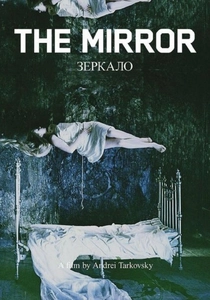
The Mirror (1975)
Description: Tarkovsky's masterpiece delves into memory, time, and identity, themes that resonate with the experiences of Alzheimer's patients, though not directly about the disease.
Fact: The film is semi-autobiographical, reflecting Tarkovsky's own memories and his mother's life.
 Watch Now
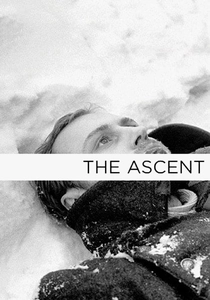
The Ascent (1977)
Description: This film, set during WWII, includes scenes where characters experience memory loss and confusion, akin to the symptoms of Alzheimer's, as they navigate through the harsh realities of war.
Fact: Larisa Shepitko, the director, tragically died in a car accident shortly after the film's release, leaving behind a legacy of powerful storytelling.
Watch Now
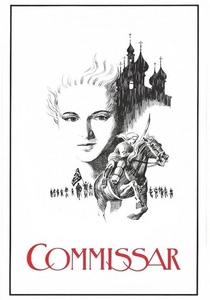
The Commissar (1967)
Description: The film explores the life of a female commissar during the Russian Civil War, touching on themes of memory and the human condition, which can be paralleled with Alzheimer's.
Fact: The film was banned in the Soviet Union until 1987 due to its critical portrayal of the Red Army.
Watch Now
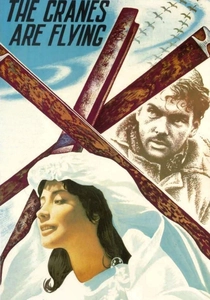
The Cranes Are Flying (1957)
Description: While not explicitly about Alzheimer's, this film explores the emotional turmoil and memory loss associated with war, paralleling the disorientation experienced by Alzheimer's patients.
Fact: The film won the Palme d'Or at the Cannes Film Festival in 1958, making it one of the first Soviet films to achieve such international acclaim.
Watch Now
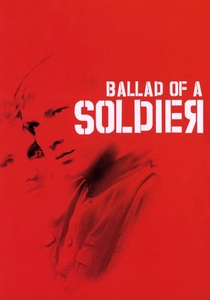
The Ballad of a Soldier (1959)
Description: This film, while primarily about a soldier's journey home, includes poignant moments of memory and the fear of forgetting, themes central to Alzheimer's.
Fact: It was nominated for an Academy Award for Best Original Screenplay.
Watch Now

The Thief (1997)
Description: Although set in post-WWII Soviet Union, the film touches on themes of memory and loss, with characters grappling with their past, mirroring the cognitive decline seen in Alzheimer's.
Fact: This was the debut feature film for director Pavel Chukhray, winning numerous awards including the Nika Award for Best Film.
Watch Now
The Edge (2010)
Description: This film, while not about Alzheimer's, explores the psychological and emotional effects of memory loss and identity crisis, themes closely related to the disease.
Fact: The film was Russia's submission for the Academy Award for Best Foreign Language Film in
Watch Now
The Return (2003)
Description: The film deals with the sudden return of a father, exploring themes of memory, identity, and the impact of absence, which can be metaphorically linked to Alzheimer's.
Fact: It won the Golden Lion at the Venice Film Festival, marking a significant achievement for Russian cinema.
Watch Now
The House I Live In (1957)
Description: This film, while focusing on the life of a Soviet family, includes themes of memory and the passage of time, offering a backdrop to understand the impact of Alzheimer's.
Fact: It was one of the first Soviet films to openly discuss the effects of Stalin's purges on ordinary families.
Watch Now
The Irony of Fate (1975)
Description: This beloved Soviet comedy touches on the themes of mistaken identity and memory, providing a light-hearted yet insightful look into the confusion Alzheimer's can cause.
Fact: It is traditionally watched by millions of Russians on New Year's Eve, becoming a cultural phenomenon.
Watch Now


