

This curated collection of Soviet films delves into the world of television during the Soviet era, offering a unique perspective on how media was perceived and utilized as a tool for communication, propaganda, and entertainment. These films not only provide a nostalgic look at the past but also offer insights into the cultural and political climate of the time, making them valuable for both cinephiles and historians interested in Soviet media history.
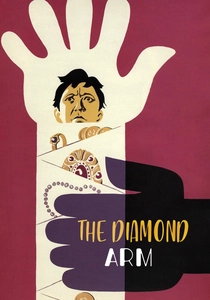
The Diamond Arm (1969)
Description: Includes scenes where television is used for broadcasting messages, reflecting the era's media practices.
Fact: It was one of the highest-grossing Soviet films and has become a classic comedy.
 Watch Now
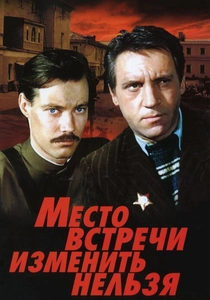
The Meeting Place Cannot Be Changed (1979)
Description: This crime series features TV broadcasts as part of the plot, showing how media was used in criminal investigations.
Fact: The series was so popular that it led to the creation of a sequel, "Return Move."
Watch Now
The Twelve Chairs (1971)
Description: This comedy, based on Ilf and Petrov's novel, features a character who becomes a TV show host, satirizing the Soviet media's role in society.
Fact: The film was one of the first Soviet comedies to gain international recognition, and it was remade several times in different countries.
Watch Now
The Irony of Fate (1975)
Description: While not directly about television, it includes scenes where TV plays a significant role in the plot, reflecting the ubiquity of TV in Soviet life.
Fact: It is traditionally broadcasted on New Year's Eve in Russia, becoming a cultural phenomenon.
Watch Now
The Garage (1979)
Description: This satire includes a subplot where characters use television to manipulate public opinion, showcasing media's influence.
Fact: The film was initially banned for its critical portrayal of Soviet bureaucracy.
Watch Now
The Adventures of a Dentist (1965)
Description: The film uses television as a plot device to explore themes of fame and recognition in Soviet society.
Fact: It was one of the first Soviet films to openly criticize the system of privileges for the elite.
Watch Now
The Long Farewell (1971)
Description: Television plays a role in the narrative, reflecting the cultural shift and the impact of media on personal lives.
Fact: The film was one of the first to openly discuss the issue of emigration from the USSR.
Watch Now
The Very Same Munchhausen (1979)
Description: This satirical film uses television to comment on the absurdity of bureaucracy and media manipulation.
Fact: It was banned for several years due to its satirical content.
Watch Now
The Pokrovsky Gate (1982)
Description: Features scenes where television is used to illustrate the generational gap and the changing times in Soviet society.
Fact: The film was a critical success and helped revive interest in Soviet nostalgia.
Watch Now
The Circus (1936)
Description: While not directly about television, it includes scenes where media (radio) is used to promote state propaganda, setting the stage for TV's future role.
Fact: This film was one of the first Soviet musicals and was used to promote the image of the Soviet Union abroad.
Watch Now


